



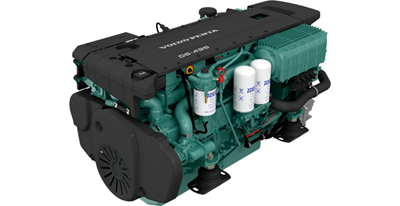
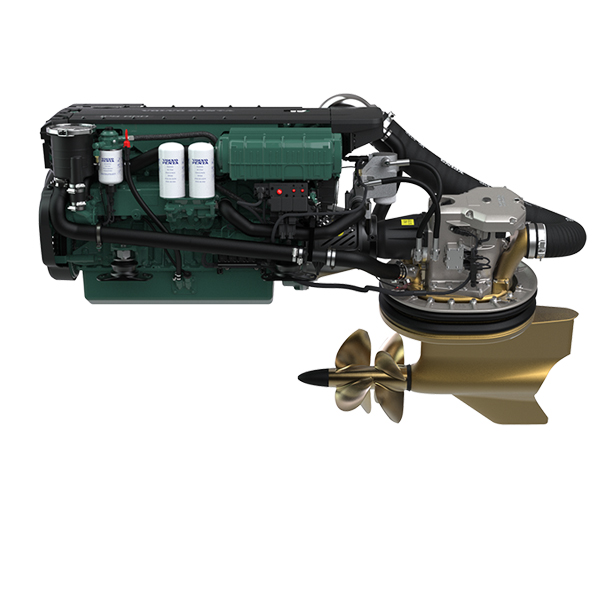
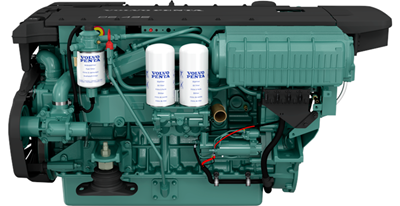


Volvo Penta D6-435 Water Jet: 435hp High-Performance Jet Propulsion
Advanced water jet system combining D6-435 power with ultimate shallow-water capability and precise maneuverability
Introduction
The Volvo Penta D6-435 Water Jet system represents the pinnacle of marine jet propulsion, combining the robust 435hp D6 diesel engine with state-of-the-art water jet technology. This integrated package delivers exceptional performance in challenging conditions where traditional propellers cannot operate safely or efficiently. At Wave Inboard Motors, our expertise in Marine Engine Installation Services ensures your water jet system is perfectly calibrated for optimal performance and reliability.
Engineered for high-speed vessels, patrol boats, pilot craft, and luxury yachts operating in shallow waters, the D6-435 Water Jet system provides unmatched maneuverability and safety. The complete absence of exposed propellers makes it ideal for rescue operations, beach landings, and navigation in debris-filled waters. Whether you’re considering a new build or Marine Engine Repowering Solutions, this system offers a revolutionary approach to marine propulsion.
Technical Specifications Table
| Specification | Details |
|---|---|
| Engine Model | Volvo Penta D6-435 Water Jet |
| Power Output | 435 hp |
| Jet Unit | Volvo Penta Water Jet |
| Engine Type | 6-cylinder, inline, turbocharged diesel |
| Displacement | 5.5 liters |
| Max Thrust | Approximately 1100 kg |
| Impeller | Stainless steel, high-efficiency design |
| Steering | ± 30° nozzle deflection |
| Reverse | Hydraulic reverse bucket |
| Control System | Electronic Vessel Control (EVC) |
Competitor Comparison Table
| Feature | Volvo Penta D6-435 Water Jet | Traditional Stern Drive | Conventional Inboard |
|---|---|---|---|
| Shallow Water | Excellent (No props) | Poor | Poor |
| Maneuverability | Exceptional | Good | Moderate |
| Safety | No exposed props | Prop exposure | Prop exposure |
| Efficiency | High-speed optimized | Good | Good |
| Debris Handling | Excellent | Poor | Poor |
Verdict: The Volvo Penta D6-435 Water Jet system dominates in applications requiring ultimate shallow-water operation, superior maneuverability, and enhanced safety, outperforming traditional propulsion systems in these critical areas.
Installation Options Table
| Option | Basic Installation | Professional Package | Custom Application |
|---|---|---|---|
| Calibration | Basic setup | Full system optimization | Application-specific tuning |
| Controls | Standard | Custom control setup | Integrated bridge systems |
| Testing | Basic water test | Full performance validation | Mission-specific trials |
| Warranty | Standard | Extended coverage | Comprehensive package |
Expert Recommendation: For water jet applications, we strongly recommend our Professional Package to ensure optimal jet pump alignment, control system calibration, and comprehensive performance validation.
Pros and Cons Table
| Pros | Cons |
|---|---|
| Ultimate shallow-water operation | Higher initial cost |
| No propeller damage risk | Different handling characteristics |
| Excellent maneuverability | Learning curve for operators |
| High-speed efficiency | Specialized maintenance required |
| Enhanced safety |
Frequently Asked Questions (FAQ)
Q1: What are the primary advantages of water jet propulsion?
A: Water jets offer unparalleled operation in shallow waters (as little as 12 inches), no risk of propeller damage, exceptional maneuverability including stationary spinning, and enhanced safety with no exposed propellers.
Q2: How does the D6-435 engine integrate with the water jet unit?
A: The D6-435 is directly coupled to the jet pump via a precision drive shaft, with the Electronic Vessel Control (EVC) system managing both engine and jet pump functions seamlessly through integrated electronic controls.
Q3: What maintenance is required for the water jet system?
A: Regular maintenance includes:
-
Impeller inspection and clearance checks
-
Wear ring inspection
-
Steering and reverse system service
-
Scheduled Marine Diesel Maintenance for the D6-435 engine
-
Jet pump alignment verification
Q4: Can the water jet system be used in saltwater environments?
A: Yes, the system is fully marinized for saltwater operation with corrosion-resistant materials, including stainless steel impellers and protected bearings. Regular flushing is recommended.
Q5: What is the learning curve for operating a water jet vessel?
A: While basic operation is intuitive, mastering advanced maneuvering techniques typically requires 5-10 hours of practice. We provide comprehensive operator training with every installation.
Q6: How does fuel consumption compare to conventional propulsion?
A: Water jets are highly efficient at planning speeds but less efficient at displacement speeds. The D6-435 Water Jet typically consumes 10-15% more fuel at low speeds but can be more efficient at high-speed operation.
Q7: What is the expected service life of the jet pump components?
A: With proper maintenance, the stainless steel impeller typically lasts 3-5 years, wear rings 2-3 years, and bearings 5-7 years, depending on operating conditions and debris exposure.
Q8: Can the system be used for beach landings?
A: Yes, the absence of exposed propellers makes the D6-435 Water Jet ideal for beach landing operations, allowing vessels to approach shorelines safely in very shallow water.
Q9: What kind of speed performance can I expect?
A: Depending on hull design, the D6-435 Water Jet can propel appropriate vessels to speeds exceeding 35 knots, with excellent acceleration due to the high-thrust characteristics of jet propulsion.
Q10: Is the system suitable for commercial applications?
A: Absolutely. The D6-435 Water Jet is ideal for commercial operations including patrol boats, pilot vessels, survey craft, and passenger ferries where shallow-water capability and maneuverability are critical.

Reviews
Clear filtersThere are no reviews yet.